


Yes, let’s hit the road inside the Sprinter’s fuel system!
First, let me take you through the journey of diesel fuel inside the engine.
The journey of the rather expensive diesel starts from the tank, accompanied by the LP pump. LP, or low-pressure fuel pump, rotates with the crank when you turn the key, drawing fuel from the tank through one of its two valves (think of it like sipping a drink through a straw). To prevent debris from entering, the fuel first passes through a filter—imagine a filter in the middle of the straw.
Fuel reaching the LP is then sent via a hose from LP’s second valve to the HP pump, the high-pressure fuel pump. One valve draws fuel, the other pushes it out. Now the fuel is in the HP pump. Here, fuel pressure is increased and delivered to the rail. The rail then distributes fuel to the four injectors. If the rail pressure sensor approves the pressure sent by the HP, it signals the ECU to allow ignition, and the engine starts!
While running, any excess or unburned fuel escapes through valves on top of the injectors but is saved via the return hose system. Recovered fuel goes to the rail solenoid valve at the end of the rail: one hose returns fuel to the HP pump, another to the fuel filter. Priority is first to the HP; if HP is full, fuel goes to the filter; if the filter is full, it returns to the tank.
I hope you enjoyed this short diesel journey. 🙂 There’s also the pre-purchase journey of diesel—maybe we’ll cover that another time.

Overhaul After Contaminated Diesel
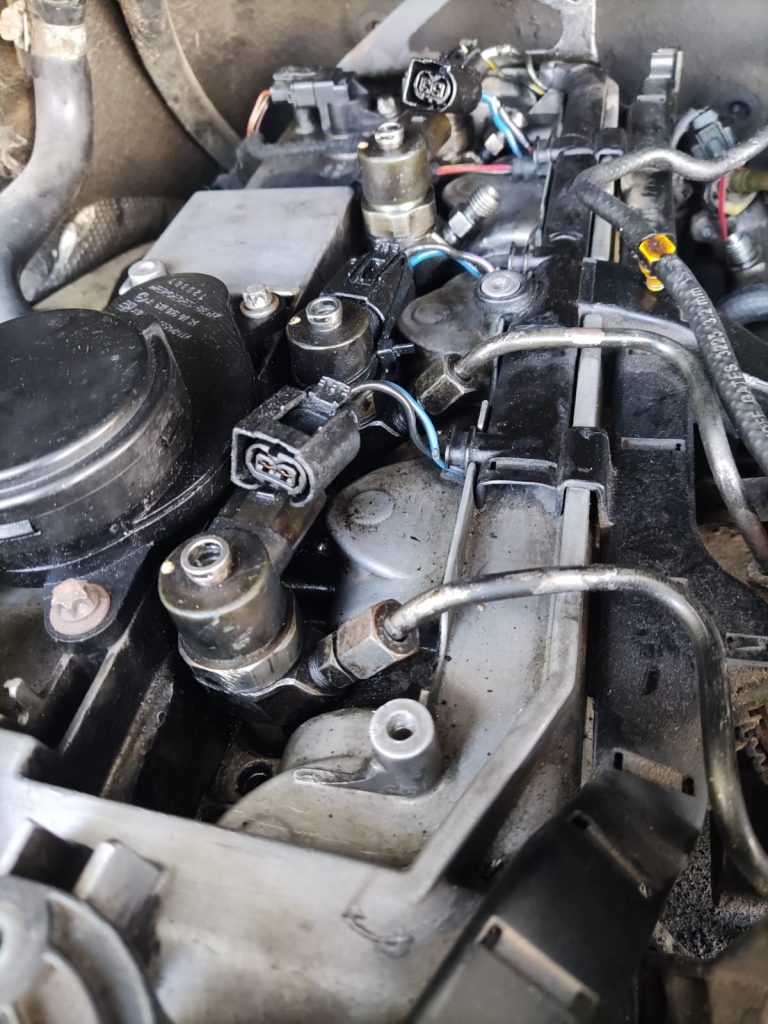
After using water-contaminated diesel in an earthquake-affected area (6 feb 23-Turkiye), I immediately started inspecting the fuel system and lines. I replaced or cleaned parts such as old fuel hoses, fuel filter, rail, sensors and their sockets, injector return hoses, and injector seals.
I also noticed that one glow plug hadn’t worked at all. I hadn’t replaced them for roughly 40,000 km and didn’t know their history. For safety, I replaced all of them.
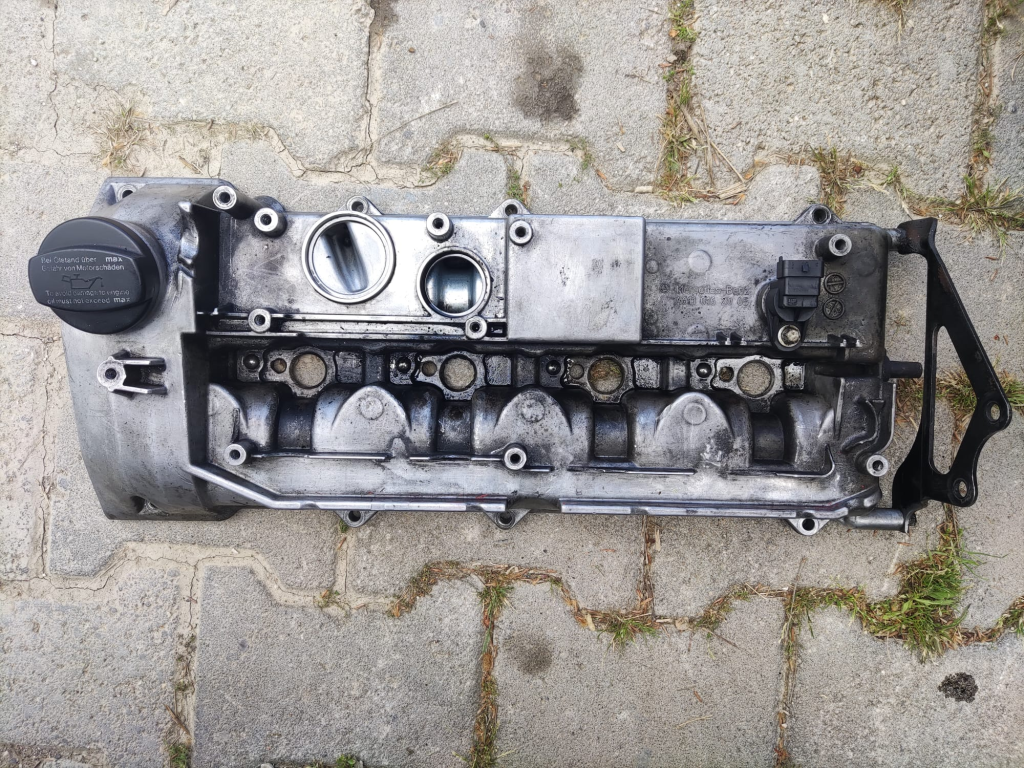
After removing all injectors, I could also remove the rocker cover. I was very careful not to drop anything inside—hopefully, nothing fell. 🙂
Some carbon residue from the injectors had spread slightly under the rocker cover. I cleaned it carefully without letting any fall inside.


Injector Seal Replacement and Cleaning
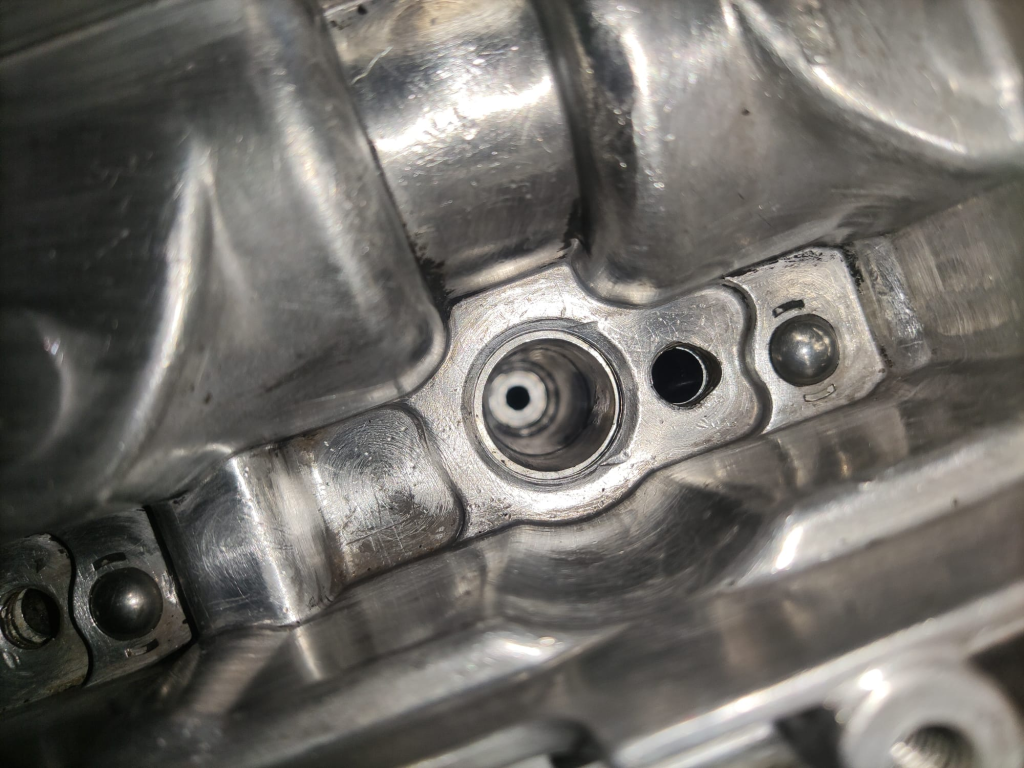
When replacing injector seals, the injector seat must be thoroughly cleaned, or serious problems will follow. While cleaning, make sure nothing falls down the hole. I connected a vacuum hose to a handheld vacuum to remove carbon debris—tedious, but precision is crucial.
If injector removal is difficult, check this guide: Injector Removal and Seal Replacement.
I cleaned the injectors and, when funds allow, I’ll take them to a professional for a full overhaul. For now, cleaning and seal replacement were completed. The seals are high-quality Febi brand.
The cover also shined beautifully. Now I understand why engine modders get so obsessed. :))


Fuel Filter Replacement
I replaced the fuel filter too. Accidentally, I ordered a water-sensor and water-drain filter (though I actually knew the correct model, the online seller insisted on KL174). Luckily, the previous owner had discarded the water sensor, and I had never investigated it in four years. The little sensor’s price was around €50, and it’s rare to find in Turkey. Storing it beforehand turned out to be a perfect coincidence—just when I needed it!


I sealed the sensor and dummy cap using liquid-like Abro Shellac, then applied Dayson silicone to ensure no air could enter.
After installing the filter, I primed it with a syringe and checked the incoming hose from the tank. Cracks in the hose could cause air bubbles, so I cut off the faulty section and ensured a clean, straight end.


Fuel System Priming Hack
Since Sprinters have no pump in the tank, the LP pump draws fuel while rotating with the crank. Removing the hose from the filter allows fuel to flow back. Reinstalling it and turning the key introduces air, requiring long cranking to get fuel to the filter—about 25–35 seconds!
To hack this, I first filled the filter, then manually drew fuel from the tank hose until it reached the end. I blocked the hose with my finger, preventing fuel from flowing back, and quickly reattached it to the filter, tightening the clamp. This ensures fuel reaches the HP pump and injectors immediately, without long cranking, saving the starter motor.

Common Rail and Hoses
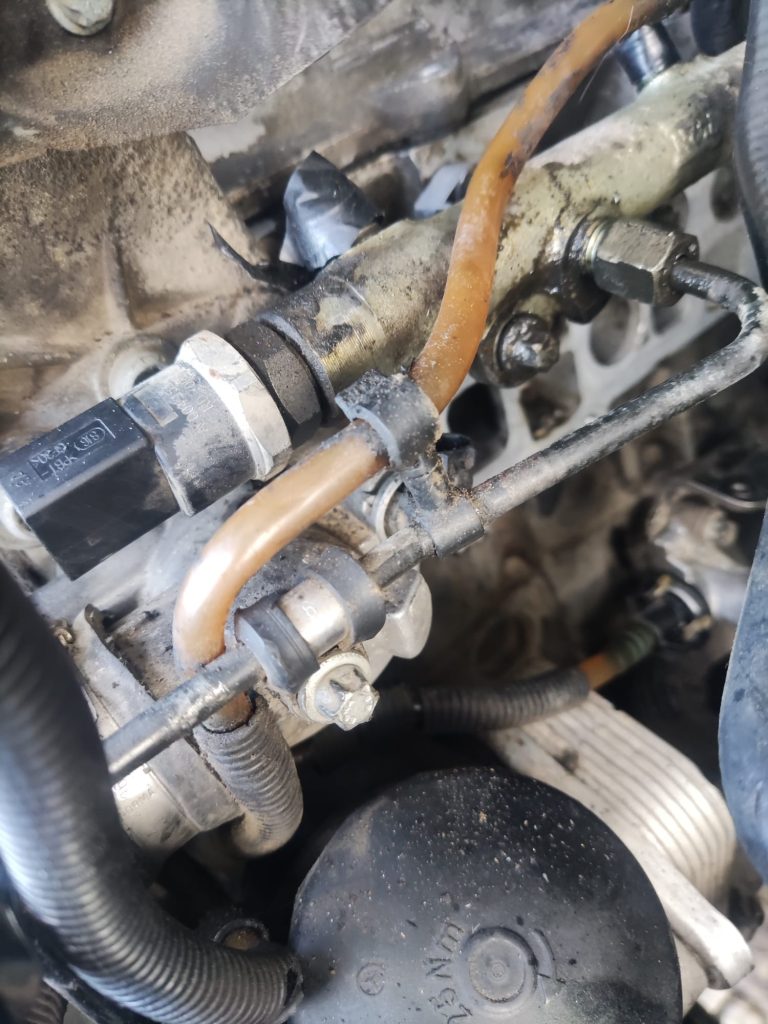
The diesel injection system generally uses a common rail injection system, keeping fuel under high pressure and distributing it to injectors through a shared rail. This allows precise, efficient fuel injection.
Maintaining proper pressure in the rail is critical. If the pressure is too low, the ECU cuts electricity to the injectors. Causes may include the high-pressure pump or pre-pump lines. Check the injector fuel lines’ connections at the rail; loose fittings can leak fuel and lower pressure. If lines are intact and no leakage exists, each injector must be tested. Industry term: “injector dribble”—fuel leaking from injectors. If present, the ECU prevents engine operation to protect it, avoiding potentially serious damage.

