

Campervan Balkan Border Crossings – Real Experiences from a Van Road Trip
Borders:
- Dereköy Border Gate – Türkiye to Bulgaria
- Bulgaria – Romania Border Crossing (Vama Veche)
- Romania – Serbia Border Crossing (Iron Gate I)
- Serbia – Bosnia and Herzegovina Border Crossing
- Bosnia – Montenegro Border Crossing
- Montenegro – Albania Border Crossing
- Albania – North Macedonia Border Crossing
If you are planning a Campervan Balkan border crossings and wondering what border crossings are really like, I’ve compiled my personal experiences below.
Related Articles:
- Driving Abroad with a Campervan – What You Need
- International Green Card Insurance (EU Motor Insurance)

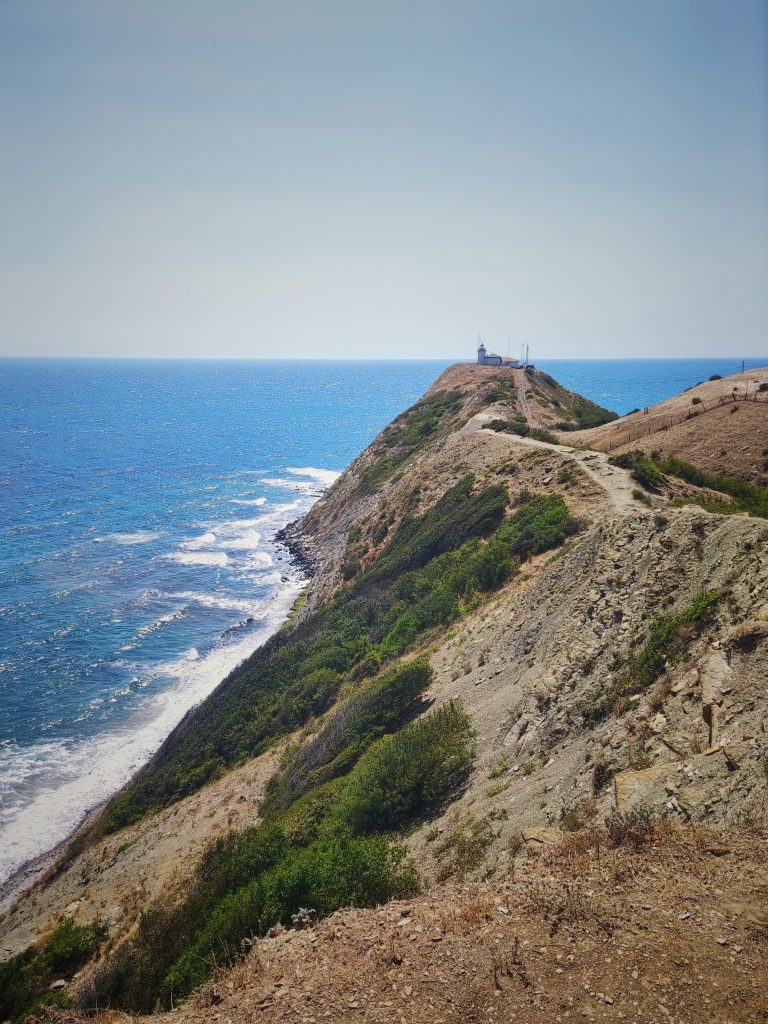
Dereköy Border Gate – Türkiye to Bulgaria
We used the Dereköy border gate for our Türkiye–Bulgaria crossing. Even though it was midnight, exiting Türkiye took about an hour.
Surprisingly, there was no queue on the Bulgarian side. They checked our visas, asked where we were heading, stamped the passports and that was it.
The campervan customs check? Less than a minute. They briefly looked through the side door and waved us through.
They were actually more curious about the electric bikes mounted on the back of the van — asking about their range and features. The overall approach was relaxed and friendly.
This was the first time our campervan officially left Türkiye. A small but emotional milestone.

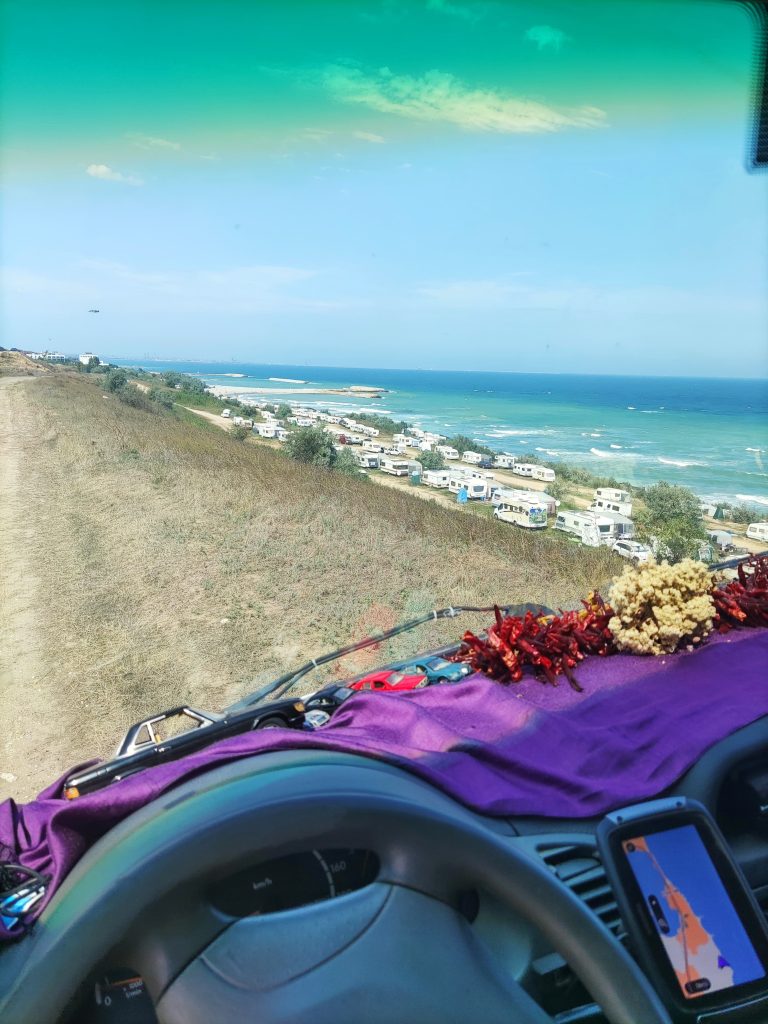
Buying a Bulgarian Vignette
Right after crossing, we stopped at the first fuel station and bought a 1-week Bulgarian vignette for 13 leva.
Important detail:
The tool machine accepted cash only. The fuel station staff exchanged euro to leva — at a terrible rate. She even gave us 2 leva less!
The next day I found 2 leva on the ground. Balkan karma works fast. 🙂
You can also buy the vignette online. We tried, but our debit cards never received the SMS approval code. So we had to go old school.
If you’re transiting Bulgaria quickly, there is a weekend vignette option for 9 leva, which is cheaper.
We purchased our EU Green Card Insurance before leaving Türkiye, so we were covered.
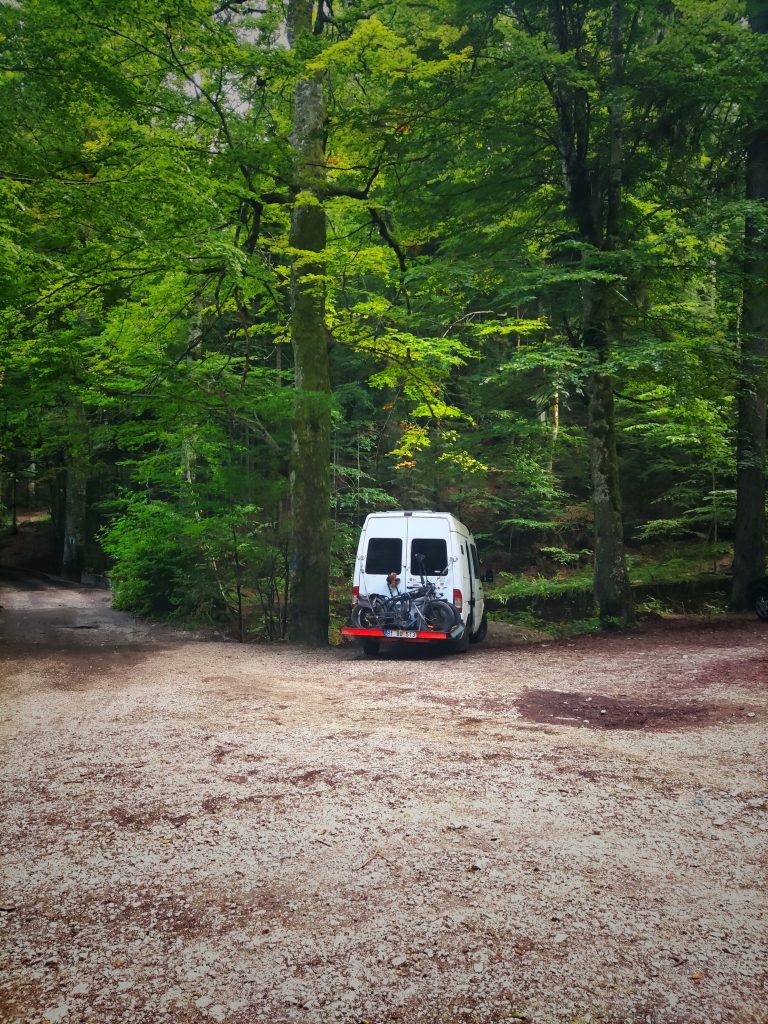

Bulgaria – Romania Border Crossing (Vama Veche)
We crossed into Romania via Vama Veche.
Since both countries are EU members, traffic was heavier. There are two lanes:
- EU citizens
- All other passports
We slowly moved forward for about 20 minutes before reaching Bulgarian exit control. No issues there.
The Romanian entry was more interesting.
A young officer seemed unsure what to do — maybe it was his first time dealing with visa-required travelers. He waited for a senior officer, probably afraid of making a mistake.
After about 30 minutes, the senior officer arrived, laughed it off and told him to stamp the passports.
No campervan inspection on either side.
I’ve crossed here 3–4 times before. Usually it’s fast and smooth.
Romanian Vignette System
This time we successfully bought the Romanian vignette online.
It cost around €2.5 for one week.
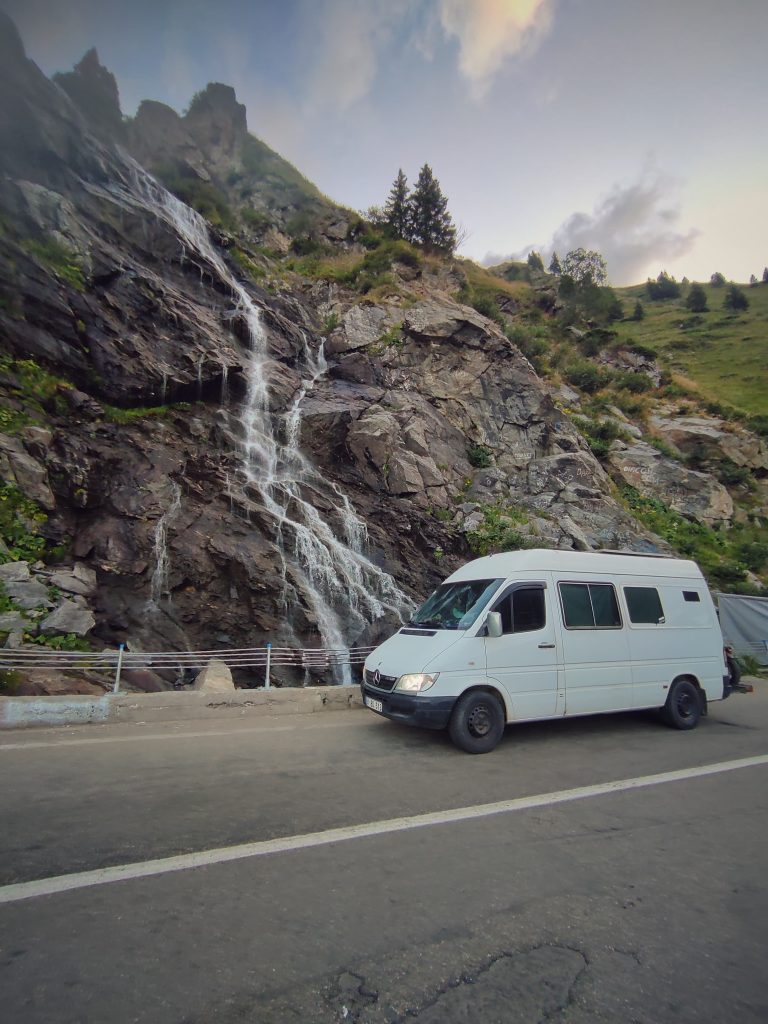
Since we planned to drive the Transfăgărășan and spend time hiking in the mountains without moving the van, we only bought it for the days we needed.
When not driving, we simply stayed in the mountains and reactivated a vignette when needed.
Flexible and practical.

Romania – Serbia Border Crossing (Iron Gate I)
We used the Iron Gate I (Porțile de Fier / Đerdap) crossing over the Danube.
It’s actually a dam that also serves as a border point for light vehicles.
I expected stricter checks due to Europe’s migration concerns — but that wasn’t the case.
Romania stamped our passports and, for the first time, asked to check inside the campervan.
A young male and female officer entered.
Honestly, it felt more like they had watched too many vanlife YouTube videos and were curious. They opened a couple of drawers and left.
Serbia entry was fast — until customs.
The customs officer greeted us in Turkish. A sweet older man who spoke surprisingly good Turkish.
He conducted the most realistic inspection so far — mainly in the front cabin area.
He was very interested in the Mercedes model car I carry on the dashboard. He opened doors, trunk, checked logical hiding spots.
Then he jokingly asked:
“Any weed?”
I said no.
He pointed at the potted plants and said, “Isn’t that weed?”
We all laughed.
A memorable entry to Serbia.
Driving in Serbia – No Vignette, Toll Roads
Serbia does not use a vignette system.
If you use highways, you pay at toll booths.
You can also travel without highways — just slower through towns.
Important:
In city centers and pedestrian crossings, there are many 30 km/h radar controls.

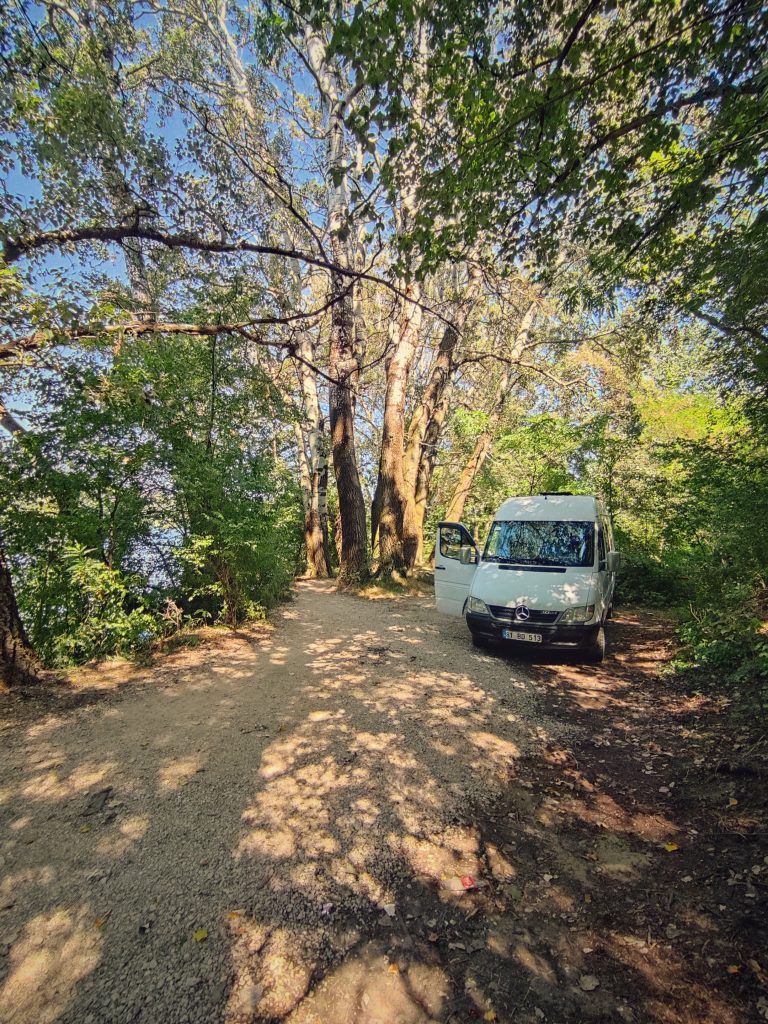
Serbia – Bosnia and Herzegovina Border Crossing
We crossed via the Mali Zvornik / Karakaj bridge crossing.
Serbia stamped and released us after a couple of routine questions.
No campervan inspection.
Bosnia asked for our insurance — first time it was requested. They stamped passports and let us through.
Interestingly, this crossing was into Republika Srpska, the Serb entity of Bosnia and Herzegovina.
That might explain the relaxed approach.
There is no internal border between Republika Srpska and the Federation of Bosnia and Herzegovina.
No vignette system in Bosnia either. Highways are paid at toll gates.
Bosnia City Tax Surprise
When exiting Bosnia at Klobuk–Ilino Brdo, we faced an unexpected rule:
If staying more than 3 days, you must register at a tourist info center or police station and pay a daily city tax per person.
If you stay in hotels or campsites, the tax is included in the accommodation price.
As someone who almost never stays at official campsites, this was shocking.
We had stayed 11 days.
The fine would have been €55 per person.
After keeping us waiting (again late at night), they said:
“This time we let you go. But Montenegro has the same rule.”
That information slightly killed the mood.
Three months visa-free access — but effectively you feel like you only have 3 days unless you register somewhere.
And registering usually means showing an address — meaning staying in a campsite.
Bosnia has expensive parking for vans (20–40€). It felt like a tourist trap system.
Strangely, I had crossed Bosnia before and never encountered this rule.
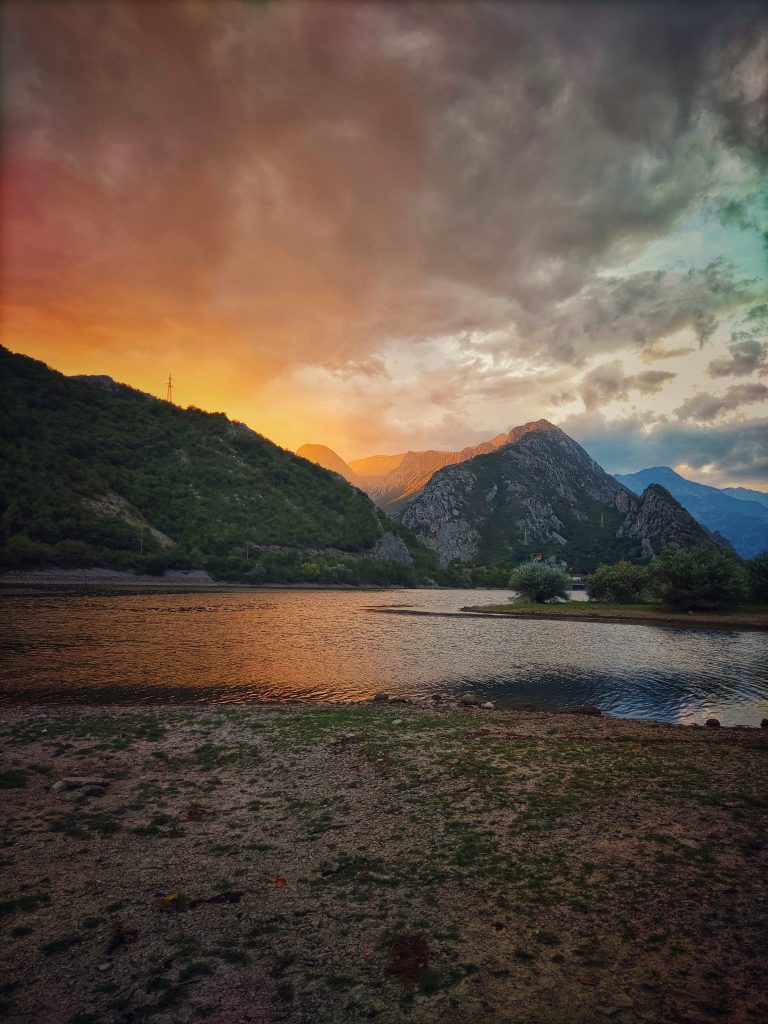
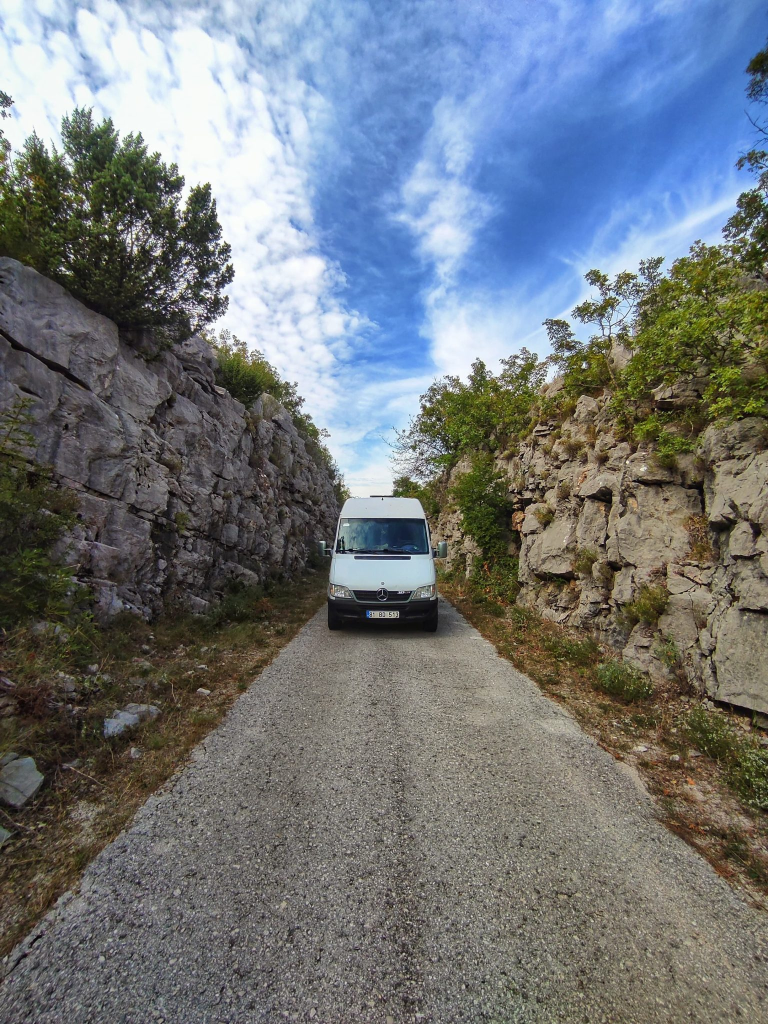
Bosnia – Montenegro Border Crossing
Entry to Montenegro was easy.
No van inspection.
No one asked about city tax at the border.
Roads are free — no vignette required.
Montenegro Tourist Tax Confusion
We became obsessed with clarifying this tourist tax situation.
At different tourist info points we received different answers:
- “If you sleep in a van, no need.”
- “If you change cities every three days, no problem.”
- “We can’t even register you if you’re not in a campsite.”
Nobody seemed fully informed.
When exiting Montenegro, things became even more absurd.
They didn’t check passports.
They just wrote our license plate number by hand in a notebook and marked something like “vehicle exited”.
No digital record.
No city tax question.
You could have entered yesterday or two years ago — no one seemed to know.
Maybe airport arrivals are controlled more strictly.

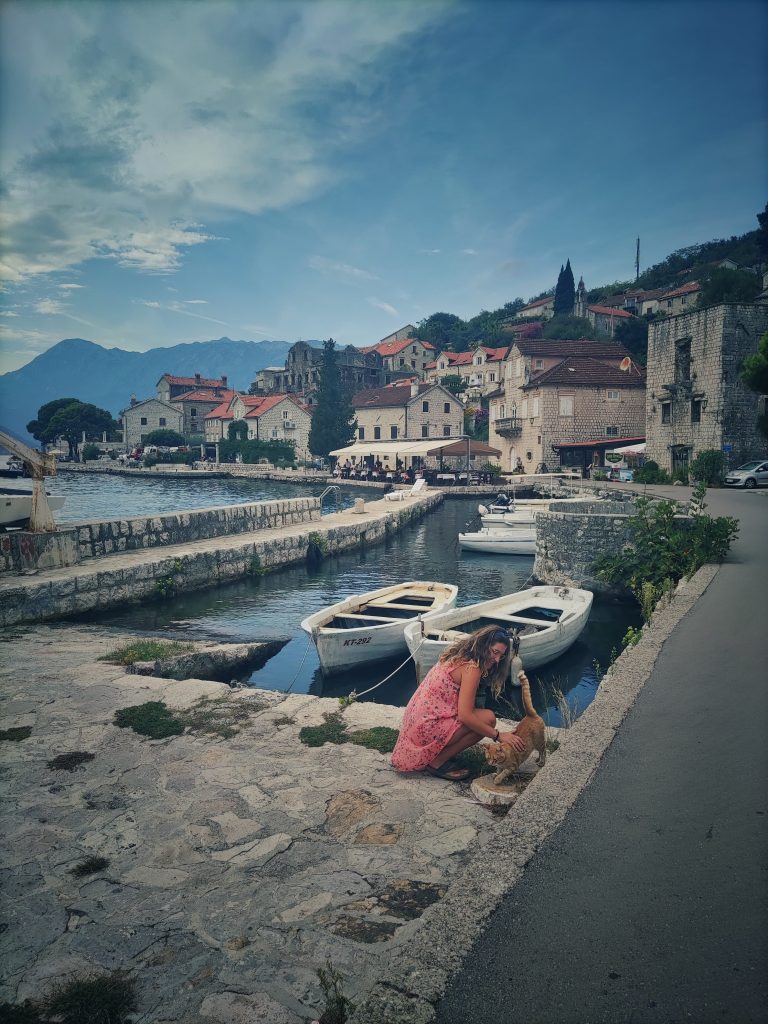
Montenegro – Albania Border Crossing
Montenegro exit booth and Albania entry booth were literally one meter apart.
Montenegro didn’t stamp passports.
Albania officer:
- Took vehicle registration
- Wrote plate number on paper
- Asked if we were two people
- Didn’t check passports
No stamp again.
I checked my old passport later — and realized I never received an Albania stamp in previous trips either.
Apparently, stamping isn’t their style.
No toll roads encountered here either.

Albania – North Macedonia Border Crossing
We entered North Macedonia via Lake Ohrid.
Finally, passports were checked again.
They also requested to see the Green Card insurance while exiting Albania.
This border crossing looked more organized and modern compared to the previous ones.
If you’re planning a Balkan campervan adventure, don’t stress too much about border crossings. Most of them are relaxed, sometimes chaotic, occasionally confusing — but rarely dramatic.
The Balkans reward patience, flexibility, and a sense of humor.