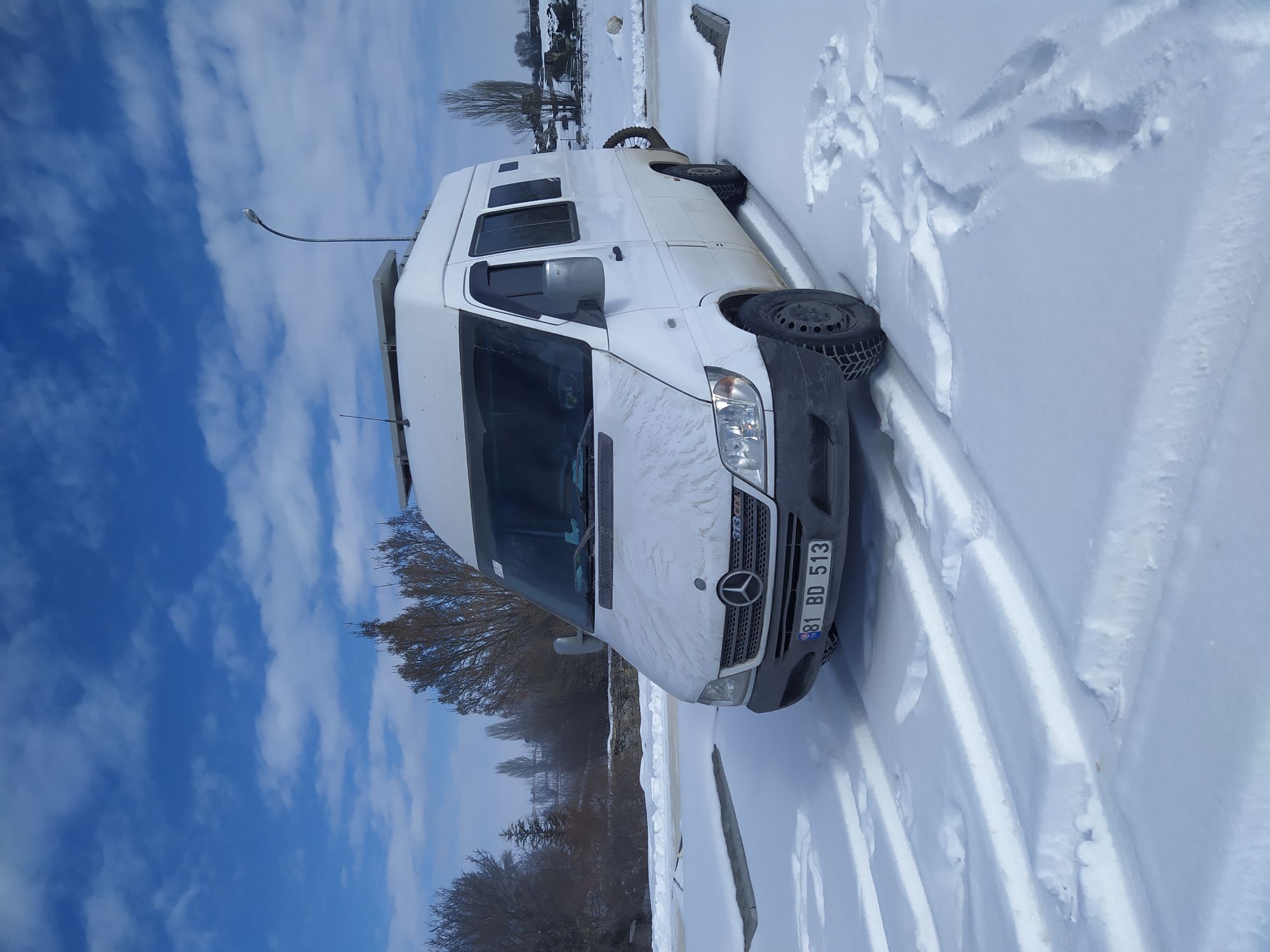

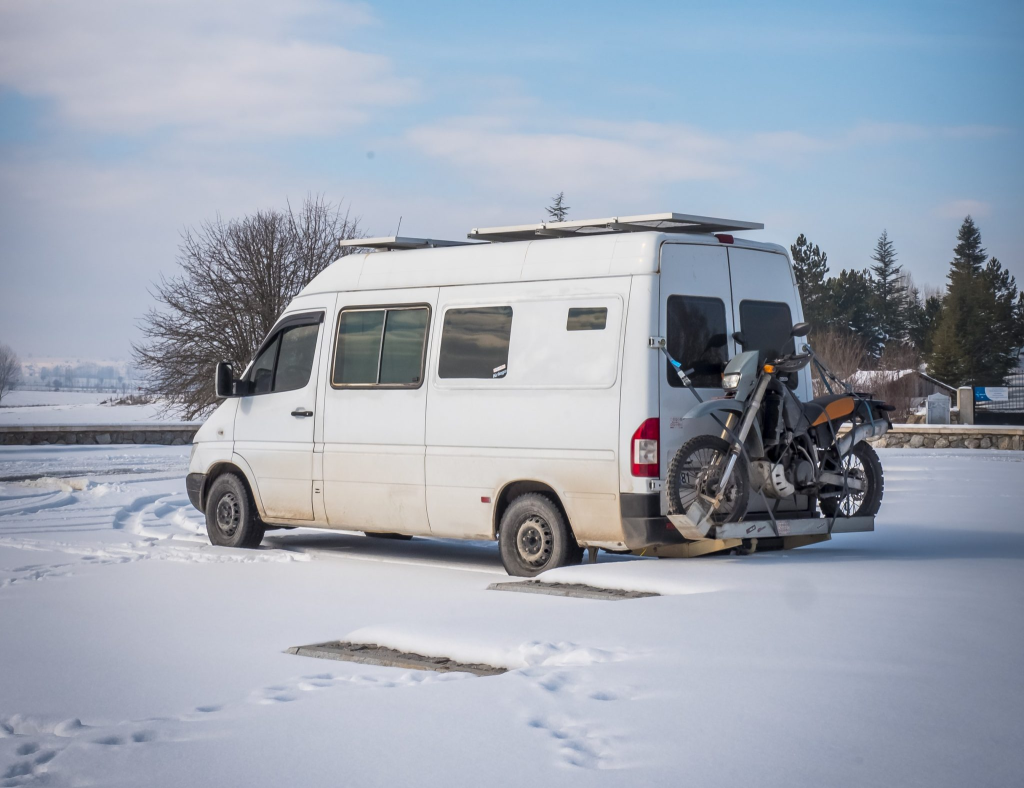
Is Winter Van Life Really Possible?
Can you live in a campervan during winter?
Yes. Absolutely.
But winter van life is harder. Sunny moments are short, and cold nights feel very long. You’ll spend much more time inside your van, which means your setup needs to be properly prepared.
Comfort in winter requires the right equipment. And from a driving perspective, your vehicle setup can make a huge difference.
- RWD vs FWD for Winter Driving
- Winter Tires – The Real Game Changer
- Snow Chains
- Recovery Boards
- Diesel Heater vs Wood Stove
- Insulation – The Foundation of Winter Comfort
- Insulated Window Covers
- Condensation and Moisture Problems
- Ventilation – Why Fresh Air Matters
- Solar Power in Winter
- Alternator Charging
- Water and Waste Systems in Freezing Temperatures
- Diesel Fuel in Extreme Cold
- Essential Winter Equipment
RWD vs FWD for Winter Driving
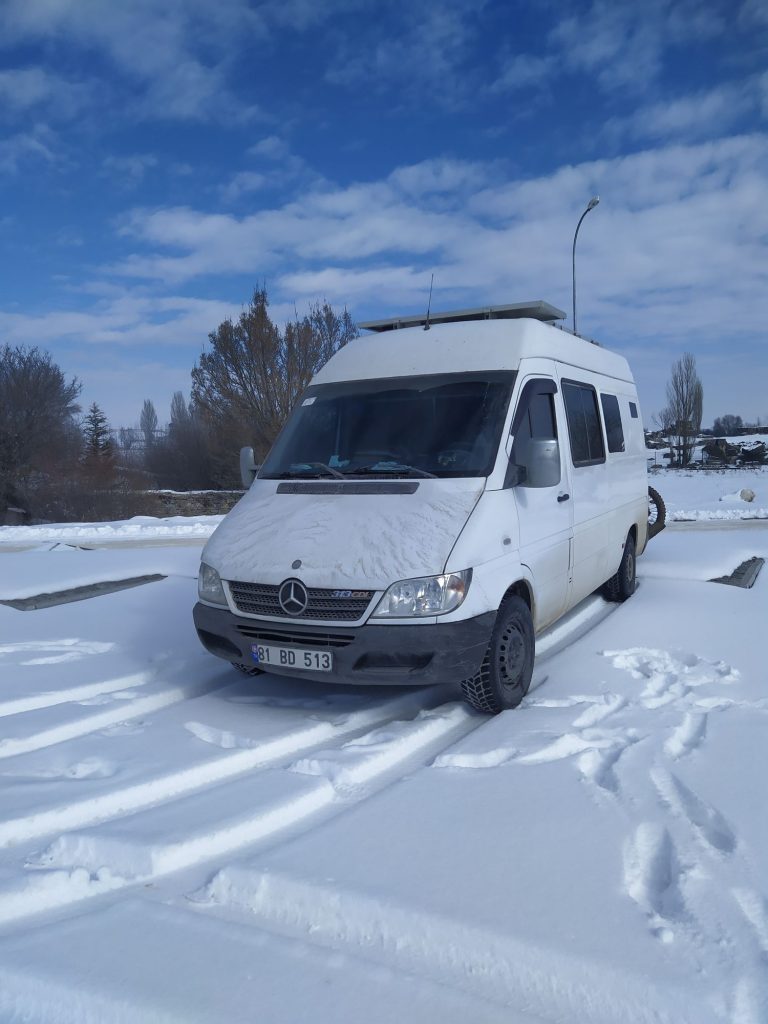
Front-wheel drive (FWD) is generally considered superior for winter driving. For regular cars and empty vans, that makes sense — most of the weight sits over the front axle.
But converted campervans are different.
After a full build — water tanks, gas bottles, furniture, batteries, storage — weight distribution changes significantly. In many cases, there’s more weight on the rear axle.
More weight over the driven wheels means more traction.
MORE WEIGHT = MORE GRIP.
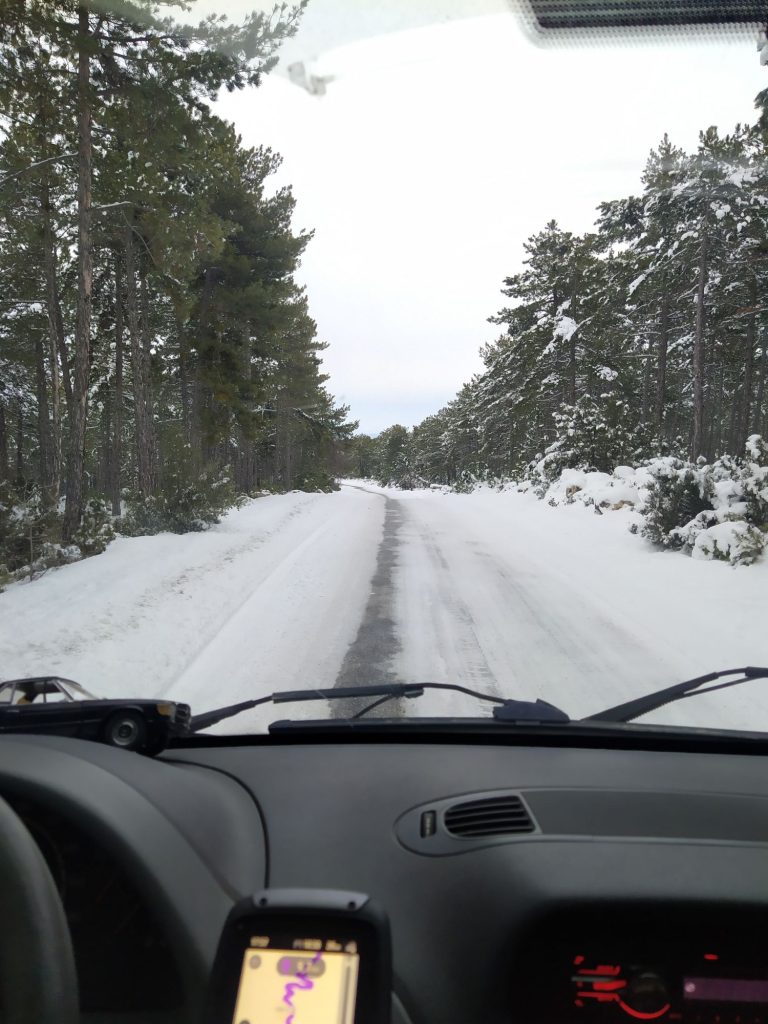
In steep uphill snow conditions, a rear-wheel drive (RWD) campervan with proper weight balance can actually perform better than expected.


Winter Tires – The Real Game Changer
Don’t be fooled by “all-season” branding.
All-season tires are NOT winter tires.
Real winter tires are night-and-day different in traction. And traction isn’t just about moving forward — it’s about braking, cornering and emergency maneuvering safely.
If we had to choose between:
- 4×4
- Limited slip differential (LSD)
- Snow chains
- Winter tires
We would choose winter tires first. Always.
Exception:
If you only occasionally cross snowy mountain passes, carrying snow chains without winter tires might be acceptable.
But for serious winter van life? Proper winter tires are non-negotiable.
Snow Chains
Sometimes even winter tires are not enough.
Carrying snow chains in your van is smart. You may not need them often, but when you do — you really do.
Recovery Boards
Recovery boards are essential when driving on snow, mud or sand.
You place them under the tires when stuck to provide grip and traction. They help the vehicle climb out of ruts and slippery surfaces.
For winter overlanding, they’re lightweight insurance.


Diesel Heater vs Wood Stove
When it comes to heating, diesel heaters are the most practical option for campervans.
A wood stove looks romantic — until you think about smoke.
You don’t have the right to disturb others with smoke in cities or parking areas. Maybe in extremely remote locations it’s manageable, but for urban winter van life it’s not realistic.
And yes — you can roast chestnuts in a pan.
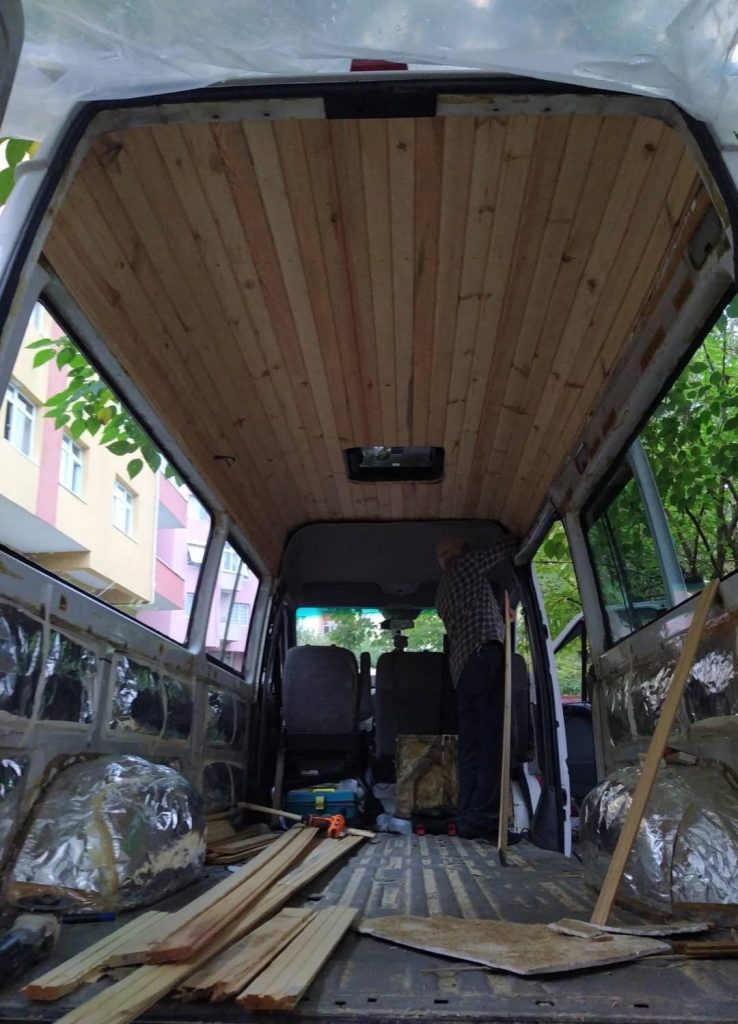

Insulation – The Foundation of Winter Comfort
Just like layering in extreme winter sports, insulation in a van works the same way.
In cold weather, we use:
- Base layer
- Mid layer
- Outer shell
The mid-layer (like down insulation) traps heat effectively.
Your van insulation should do the same.
If you didn’t build your van yourself, you might not know what insulation material was used. It’s worth checking. Technologies improve constantly — what was popular 5 years ago may no longer be the best option.
If you’re planning serious cold weather travel, re-evaluating your insulation can make a massive difference.
Good insulation:
- Performs well in extreme cold
- Is moisture-resistant
- Is safe for health
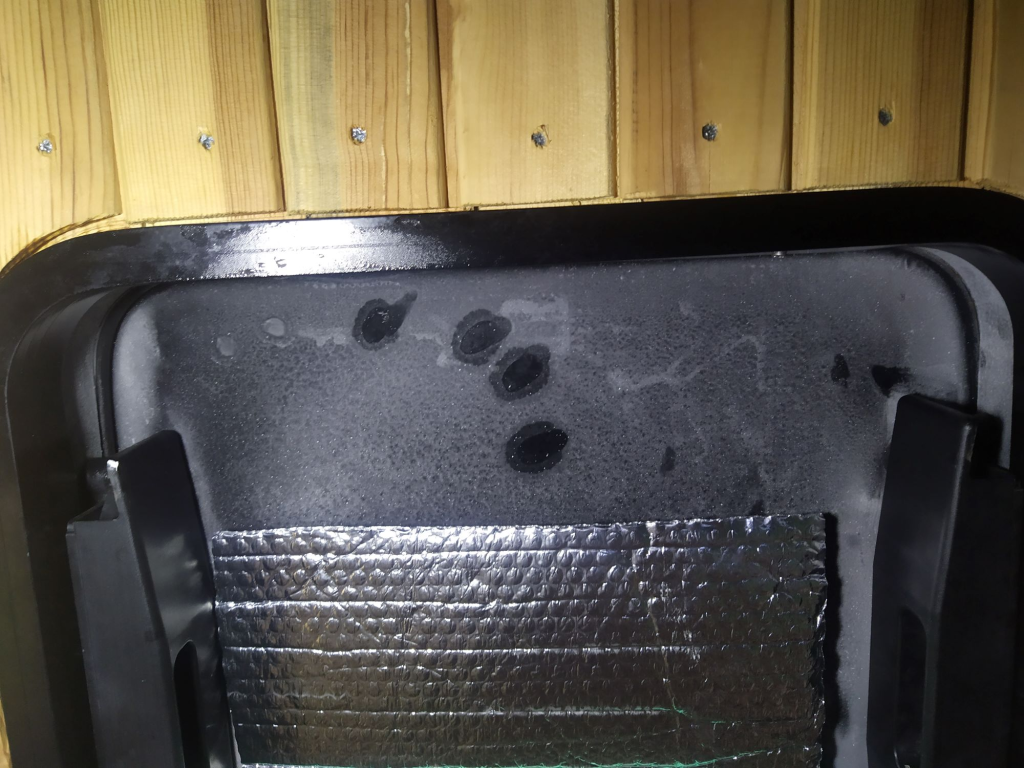
Insulated Window Covers
Windows are the weakest thermal point in a campervan.
Using insulated window covers when parked dramatically reduces heat loss. Cold air constantly tries to enter through glass surfaces.
You can also DIY covers using insulation boards cut to window size and store them under your bed — like I do.
Better insulation = less fuel consumption.
One side effect:
With windows covered, the van becomes dark even during daytime.
Use warm-tone interior lighting. Warm colors positively affect mood during long winter nights.
Preventing Condensation
Use thermal curtains or insulation on windows to prevent condensation forming on cold glass surfaces.


Condensation and Moisture Problems
One of the biggest winter van life challenges is condensation.
Some humidity is normal, but ignoring it can turn your van into a mold incubator.
Living long-term in high humidity is uncomfortable and unhealthy.
Daily Moisture Sources
Every day, your van gains between 1 to 3 liters of water in the air from:
- Breathing & sweating (approx. 50 ml per hour per person, 400 ml overnight)
- Cooking (~250 ml evaporated water)
- Propane combustion (10,000 BTU burner produces ~450 ml per hour)
- Wet clothes, dishes, towels, boots
That moisture has to go somewhere.
How to Control Humidity
- Fix water leaks immediately (roof, windows, seals)
- Use a dehumidifier
- Use a humidity meter to monitor levels
- Dry wet gear outside when possible
Ignoring moisture leads to mold colonies — and sharing your van with mold is not the goal.
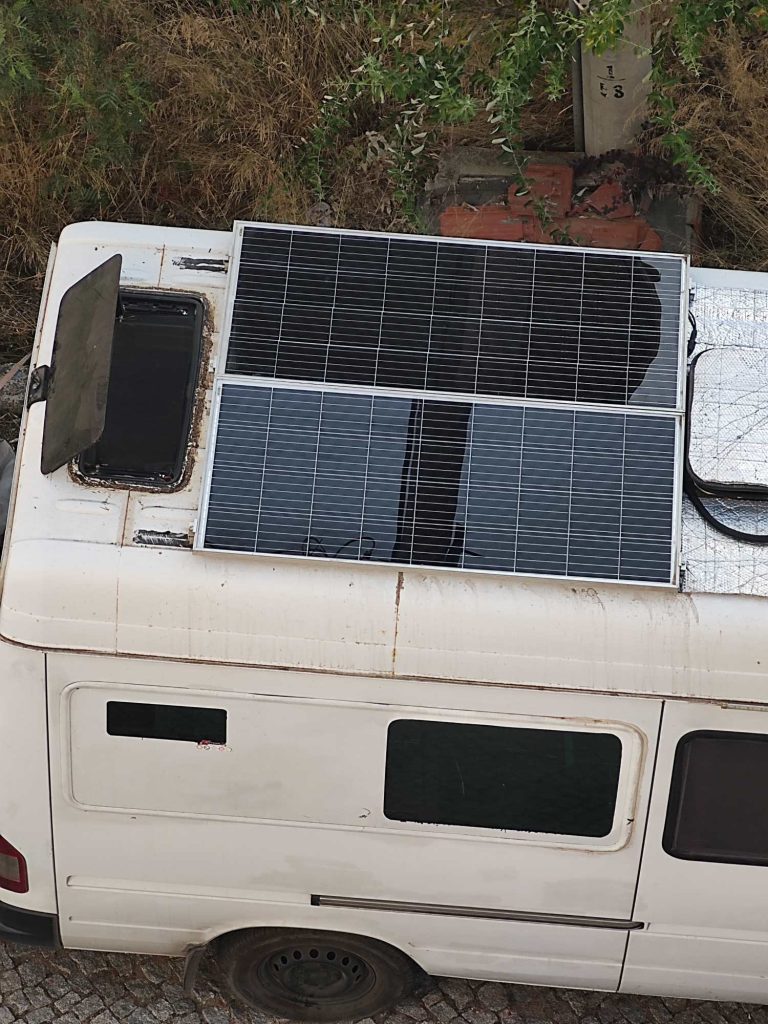
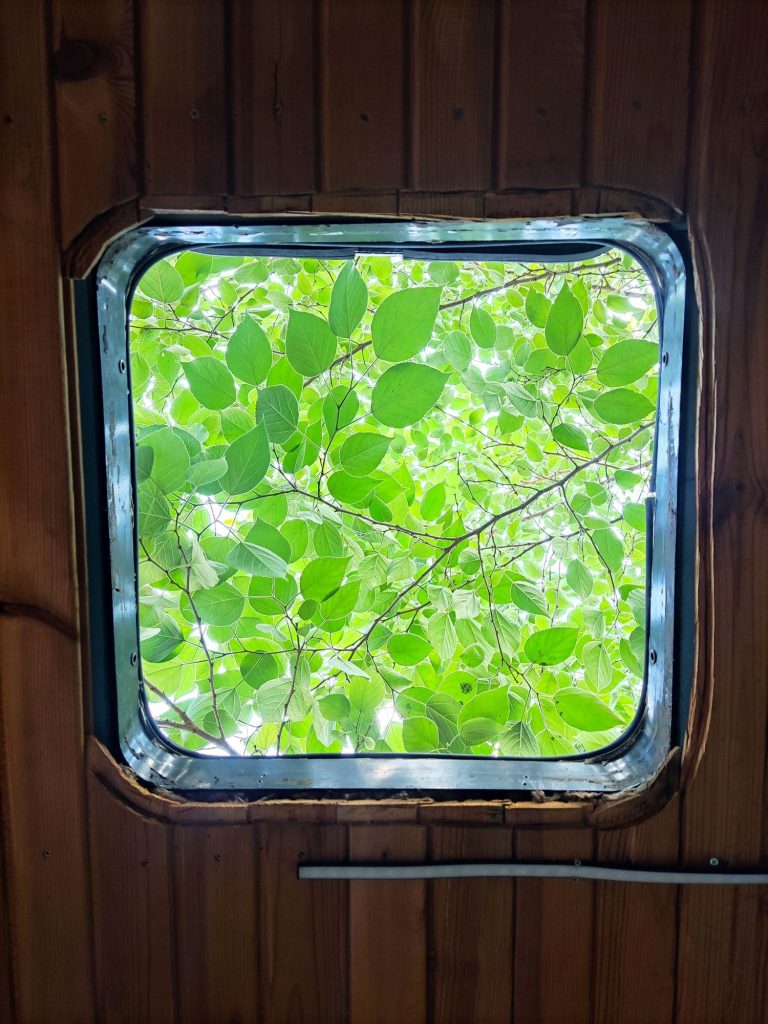
Ventilation – Why Fresh Air Matters
Ventilation is critical.
It replaces “dirty” indoor air (moisture, CO₂, carbon monoxide, cooking smells) with fresh outside air.
A proper ventilation system includes:
- Intake vents
- Exhaust fans
Even in winter, run your roof fan to push warm humid air outside.
Choose ventilation systems that don’t allow rain intrusion.
Air circulation reduces condensation significantly.


Solar Power in Winter
Summer and winter power consumption can be surprisingly similar.
In summer:
- Fridge works harder
- Heater is off
In winter:
- Heater works harder
- Fridge works less
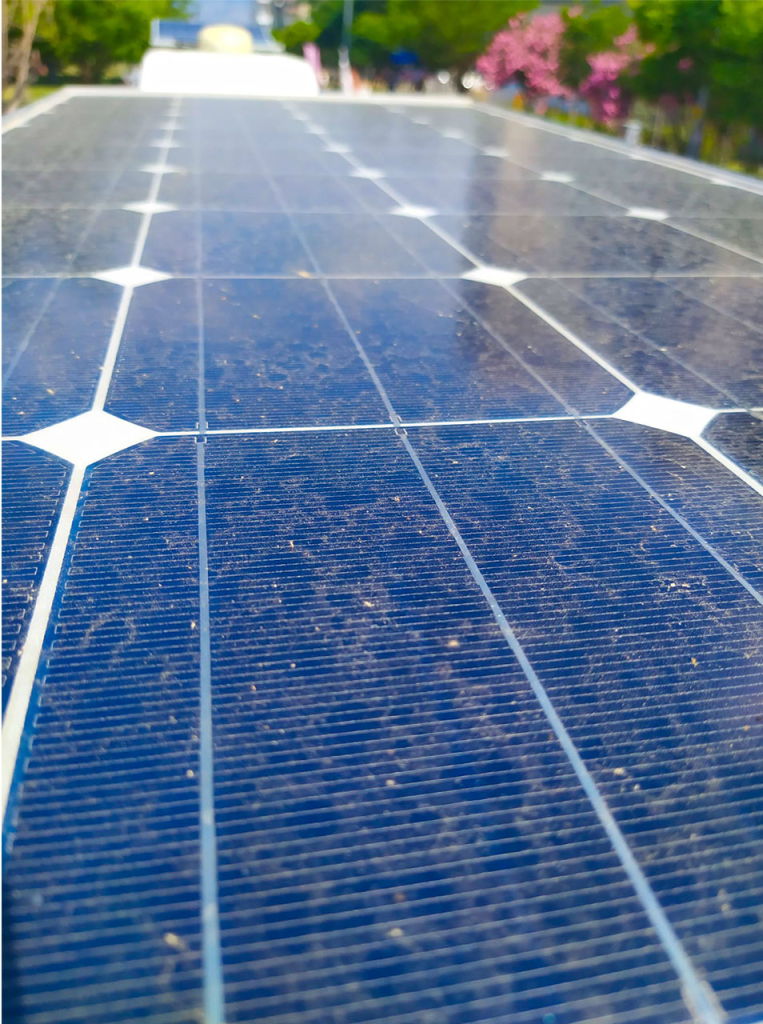
The real winter problem? Solar production drops dramatically.
Low sun angle and short days reduce solar harvest.

Alternator Charging
If solar isn’t producing enough, alternator charging becomes essential.
Driving recharges your batteries and compensates for low solar input.
Use proper DC-DC charging systems for safe and efficient charging.
Water and Waste Systems in Freezing Temperatures
If parts of your plumbing are outside the van, they can freeze.
In very cold climates:
- Use heating cables for pipes
- Install tank heaters
- Insulate exposed plumbing
- Protect grey water outlets from freezing
Frozen systems can end a trip quickly.


Diesel Fuel in Extreme Cold
In extremely cold regions, diesel can gel and freeze.
Precautions:
- Use winter diesel additives
- Use high-quality diesel
- Keep the fuel tank as full as possible
- Insulate fuel lines
- Avoid adding antifreeze products not designed for diesel
- Use heating elements if necessary
Keeping the tank full reduces air space and condensation inside the tank.
Essential Winter Equipment
For serious winter van travel, carry:
- Snow shovel
- Salt bags
- Ice scraper
- Antifreeze
- Snow chains
- Recovery boards
Winter van life is absolutely possible.
But it rewards preparation, proper equipment and realistic expectations.
Cold is manageable.
Unprepared cold is not.